
The Old Mobile SportyBet Shop Experience in Nigeria
Explore how the old mobile SportyBet shop shaped betting in Nigeria 📱⚽, the shift to digital, user tips, and how mobile tech changed betting culture here 🇳🇬💡.
Edited By
Tunde Balogun
SportyBet’s old shop model once stood as a familiar hub in many Nigerian communities. Before the rise of mobile apps, these physical shops dotted city streets and local markets, serving bettors face-to-face. Unlike the sleek online platforms today, the old shops were tangible points of interaction where communities gathered, chatted, and placed bets on sports events.
In these shops, punters accessed services directly by visiting outlets, often located in busy commercial areas or near motor parks. Customers handed cash over the counter, filled betting slips manually, and waited to check results displayed on notice boards or called out by shop attendants. This hands-on approach gave the experience a social flavour absent in virtual platforms.
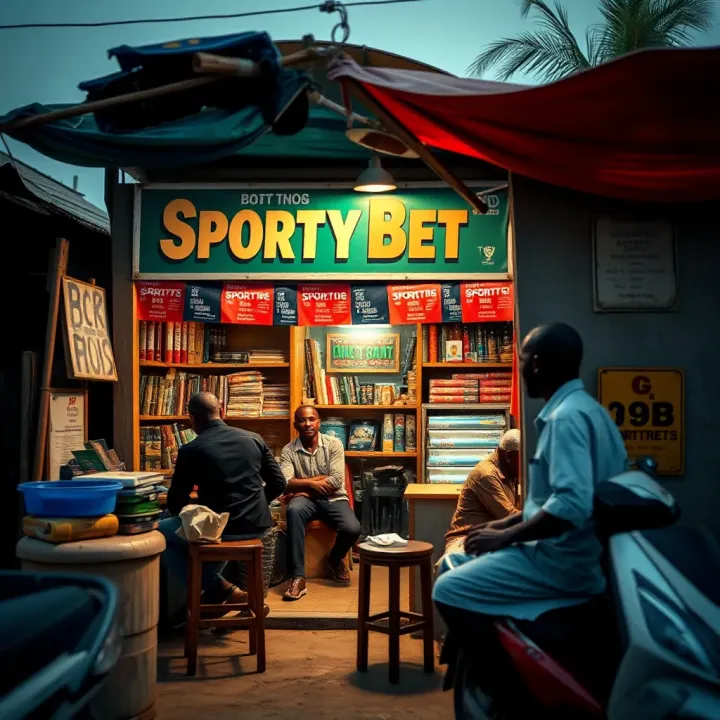
The role of these SportyBet shops extended beyond mere transaction points. They became informal meeting spots, fostering camaraderie among bettors. Market traders, students, and service workers often checked live scores together, building a community around shared interests in football and other popular sports. It was common to see groups debating a match result or celebrating a win right at the shop.
However, the old shop model faced challenges. Regulatory policies introduced by bodies like the National Lottery Regulatory Commission increased the need for licensing and compliance. Physical shops struggled with operational costs, security issues, and the inconvenience of limited hours. These pressures, combined with Nigeria’s widespread smartphone adoption, nudged SportyBet towards digital transformation.
This shift brought a bigger change: convenience. The transition from physical shops to mobile apps allowed customers to place bets anytime, anywhere. Digital platforms reduced reliance on cash transactions and improved transparency and speed. For example, bettors could now fund their wallets via bank transfers or fintech providers like Paystack and Flutterwave.
The old SportyBet shop model was a stepping stone that shaped how Nigerians engage with sports betting today, mixing tradition with emerging technology.
In summary, the old SportyBet shops played a critical role in Nigeria’s sports betting history. They provided accessible betting avenues within local environments and helped nurture a loyal customer base. Understanding this evolution clarifies how the sector adapted to new regulatory demands and the digital boom, paving the way for modern mobile betting experiences popular in Nigeria now.
Understanding how the traditional SportyBet shop operated gives valuable insight into Nigeria’s sports betting culture before the digital age took over. These shops were physical hubs where bettors could interact personally, creating a community vibe that apps haven't fully replaced. The shop setup influenced customer experience, trust in transactions, and how accessible betting was, especially for those unfamiliar with smartphones or online platforms.
Commonly, SportyBet shops were found in bustling urban areas, close to markets, bus stops, and near cities’ central business districts. For instance, in Lagos, you’d spot them in places like Balogun Market or Agege Motor Park, where foot traffic is heavy. Such locations made it easy for people coming from work, traders, or okada riders to pop in and place bets quickly without disrupting their daily routine.
Physically, shops were generally small kiosks or converted single rooms with bright signboards bearing SportyBet’s logo. The front usually had a glass counter, behind which attendants operated. The space was enough to hold a small queue but focused heavily on direct interaction rather than comfort. Some shops even had simple wooden benches or plastic chairs where customers could wait or discuss matches informally, building camaraderie.
Betting in these shops was straightforward. Customers approached the counter with their predictions and amounts. They communicated the details either verbally or by filling a simple paper slip. This tactile process suited many who preferred hands-on interaction over touchscreen menus. It also helped those with limited literacy since attendants often helped explain odds and possible winnings.
Shop attendants played a vital role beyond just cash collection. They issued printed tickets as proof of each bet, outlining match details and potential returns. This ticket served not only as receipt but also as the claim document when funds were won. Attendants also settled bets on match days promptly, further strengthening customer trust. Their familiarity with regular customers and knowledge about the games made them advisers, creating a personalised service that online platforms sometimes lack.
The old SportyBet shops offered more than just betting; they were social points where locals met, shared predictions, and felt part of a bigger community. This physical presence helped build trust and loyalty that still echoes in today’s betting culture.
In sum, the traditional SportyBet shops’ location placement, simple yet functional designs, and hands-on betting process were central to their success. Appreciating these features helps us understand the challenges and opportunities faced as the industry shifts fully online.
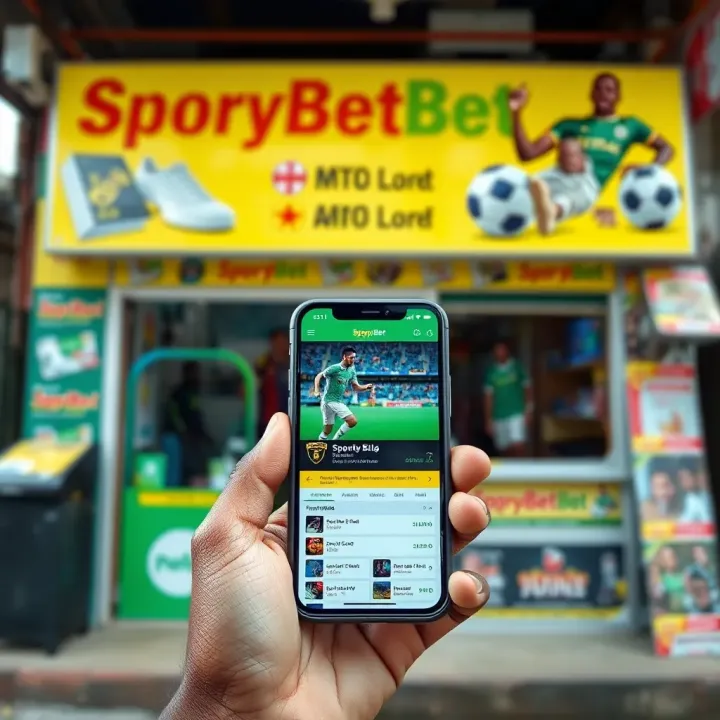
Visiting an old SportyBet shop was more than just placing bets; it was a social event that brought people together. These shops served as local hubs where friends, neighbours, and even strangers gathered to chat about football fixtures, share predictions, and discuss results. In areas where internet access was limited or unreliable, the physical presence of SportyBet shops provided a convenient and accessible space for such interactions. For example, in bustling Lagos neighbourhoods like Mushin or Agege, young men and women would often flock to SportyBet shops after work or during weekends, turning betting into a shared community activity.
The social atmosphere created at these shops helped fuel enthusiasm for sports, especially football, which is Nigeria’s most beloved pastime. By regularly engaging with live scores and betting options, customers became more invested in match outcomes. This excitement spilled over to informal street gatherings where people passionately discussed ongoing games and upcoming tournaments. In this way, SportyBet's shops contributed to keeping the spirit of Nigerian sports alive, encouraged fan participation, and kept local conversations buzzing around national and international matches.
Old SportyBet shops opened up real employment opportunities, especially for young people. Each shop usually employed attendants who handled customer bets, issued tickets, and managed cash transactions—jobs that involved skills like customer service, basic record-keeping, and cash handling. A small shop might have two or three attendants earning daily or commission-based income. In some cases, local youth, who otherwise faced unemployment, found stable and qualitive work through these shops. For example, in Kano, it's common to hear of families benefiting from a relative's job managing a SportyBet shop during ember months when spending usually rises.
These shops also allowed cash to circulate within local communities. When customers placed bets, winnings and commissions often stayed in the area, supporting other local businesses such as food vendors, transport operators, and small-scale traders. As the betting culture grew, so did the informal ecosystem: from okada riders ferrying customers to shops, to mama puts selling quick snacks nearby, all benefitted from the foot traffic SportyBet shops generated. This churn of money contributed to the informal local economy, making these shops a cornerstone for many neighbourhoods beyond the mere act of betting.
SportyBet’s traditional shops acted as community anchors, blending social life with economic activity, strengthening local ties while deepening Nigeria's love for sports.
The shift from physical SportyBet shops to online platforms reflects a significant change in how Nigerians engage with sports betting. This transition brings greater convenience and accessibility, especially as mobile technology becomes widespread. Understanding this shift helps reveal how technology reshaped betting culture.
Mobile apps and websites transformed sports betting by providing a platform accessible anytime, anywhere. Instead of trekking to a local shop, bettors can now place bets through apps from their smartphones. SportyBet introduced a user-friendly app that allows quick registration, easy payment options like bank transfer or USSD codes, and instantaneous bet slips. This digital shift caters well to Lagos and Abuja's busy commuters who don't have time to visit physical shops.
Besides convenience, websites and apps offer live updates, stats, and results. Traditionally, bettors had to wait or ask attendants to check the status of events. Now, data is at users’ fingertips, which improves the betting experience and keeps sports enthusiasts engaged.
Online platforms eliminate geographical barriers. Whether you're in a rural town like Ikare or a metropolis like Port Harcourt, you can join the betting scene without relying on local shops. This expansion has increased betting participation significantly. Plus, with automated processes, online platforms reduce errors that sometimes appeared in manual ticket issuance at shops.
Furthermore, online betting platforms manage large transaction volumes securely. While physical shops handle mostly cash, exposing both operators and customers to theft risks, mobile platforms rely on electronic payments, reducing such vulnerabilities. This efficiency boosts bettor confidence and streamlines the entire betting cycle.
Internet access and digital literacy barriers remain a hurdle for many Nigerians, especially in less connected regions. While mobile penetration is growing, not everyone has reliable data or the skills to navigate apps smoothly. This limits the full reach of online betting platforms, leaving a gap that physical shops continue to fill.
Trust and preference for in-person betting also persists. Some customers feel more secure placing bets face to face, trusting attendants who explain odds or confirm tickets personally. Older bettors, in particular, find physical shops more reassuring. Social elements like chatting with fellow bettors and the immediate resolution of disputes can't be fully duplicated online.
Despite the clear advantages of digital platforms, physical shops still play a vital role due to Nigerians' varying levels of internet access and trust preferences. This balance will likely define Nigeria’s sports betting landscape for years.
Transitioning to online betting is more than just tech adoption; it requires addressing infrastructure gaps and building user trust, especially among traditional bettors. SportyBet's experience shows that blending technology with local realities ensures a smoother migration and sustained growth in the betting market.
Regulation and security mattered greatly for old SportyBet shops because they handled large sums of cash and involved many people daily. Without proper oversight, risks ranging from illegal betting setups to fraud could quickly spiral, impacting bettors and the wider community. Understanding how government policies shaped these shops and the safeguards they used helps explain part of their evolution and eventual decline.
Operating a SportyBet shop legally required a valid licence from relevant state or national authorities. These licences ensured shops met basic standards, like responsible betting practices and tax compliance. For example, the Lagos State Lottery Board monitored shops to confirm adherence to licensing rules. Without these, shops faced closure or fines.
Licensing wasn't just bureaucratic paperwork; it was a way to protect bettors and preserve the integrity of the betting sector. Shops that lacked licences often operated under the radar, increasing risks of scams or financial mismanagement.
To combat illegal betting activities, Nigerian authorities intensified checks and crackdowns, especially in busy markets and transport hubs where unlicensed shops thrived. The Economic and Financial Crimes Commission (EFCC) collaborated with local enforcement to raid unlawful operations and seize equipment. These efforts aimed to steer bettors towards regulated outlets where their stakes and winnings were safer.
Handling cash safely was a daily challenge in old SportyBet shops due to large transaction volumes. Shops employed strict measures like secure cash boxes and regular cash pickups by trusted couriers to avoid theft. Attendants were trained to verify transaction records diligently, reducing errors and pilferage.
To prevent fraud and disputes, shops often issued numbered tickets for each bet placed, acting as proof for claims. This system helped avoid confusion over winners and payouts. Disputes were usually settled onsite immediately to maintain customer trust. Additionally, some shops used CCTV as a deterrent against fraudulent behaviour by both customers and staff.
Shops that maintained strong security and clear protocols earned loyal customers who relied on them as safe places to gamble. This trust was vital during the era before online betting made it easier and safer to place stakes.
In all, regulatory compliance and security management were cornerstones that defined the old SportyBet shops’ reliability in Nigerian communities. These elements ensured bettors could engage in sports betting with a reasonable sense of safety and fairness.
Old SportyBet shops hold a special place in Nigeria's betting story. Despite the surge in online betting platforms, these physical shops remain important for many communities. They continue to serve as accessible hubs where people engage with sports betting in a familiar, face-to-face environment. This section explores why old SportyBet shops maintain their relevance today and what lessons modern operators can draw from their experience.
Several Nigerian communities still depend on physical SportyBet shops, especially in locations where internet connectivity is patchy or where digital literacy is limited. For many in semi-urban and rural areas, visiting a SportyBet shop is the easiest way to place bets. These shops are often located near markets, transport hubs like danfo and okada stands, or busy streets, making them convenient stopping points. The personal interaction and immediate assistance from shop attendants add a layer of trust that online platforms haven’t fully replaced.
The reasons people keep coming back to these shops go beyond just convenience. For some bettors, the physical environment fosters a sense of community; it is a place to socialise, exchange tips, and share excitement over game results. Also, informal credit arrangements and cash-based transactions remain widespread, since some customers prefer to avoid online wallets or card payments. This cash economy aspect keeps physical shops relevant in areas where digital payments haven’t fully taken root yet.
Looking back, old SportyBet shops employed engagement strategies that modern betting operators would do well to remember. For example, the personalised customer service, quick response to queries, and direct communication built strong loyalty. Shop attendants often knew regular customers by name and offered tailored advice based on their betting history. This human touch improved customer retention, something difficult to replicate in purely digital environments.
There is also a balancing act for today’s betting platforms between embracing new technology and preserving the community feel of traditional shops. While mobile apps offer convenience and wider access, integrating features like live chat support, regional language options, and community forums could help bridge the gap. Maintaining the informal social atmosphere—perhaps through local events or virtual chat groups—would complement the efficiency of technology. The old SportyBet shops teach us that successful betting experiences combine reliable tech with real human connections and trust.
The old SportyBet shops remind us that betting isn't just about numbers and apps; it's about community, trust, and accessible service. Preserving these values alongside innovation could define the future of Nigeria's betting industry.
Explore how the old mobile SportyBet shop shaped betting in Nigeria 📱⚽, the shift to digital, user tips, and how mobile tech changed betting culture here 🇳🇬💡.
Get to know how to navigate wwwsportybet.com and the old mobile SportyBet shop in Nigeria 📱⚽. Learn registration, betting tips, and stay safe with reliable sportsbook info.
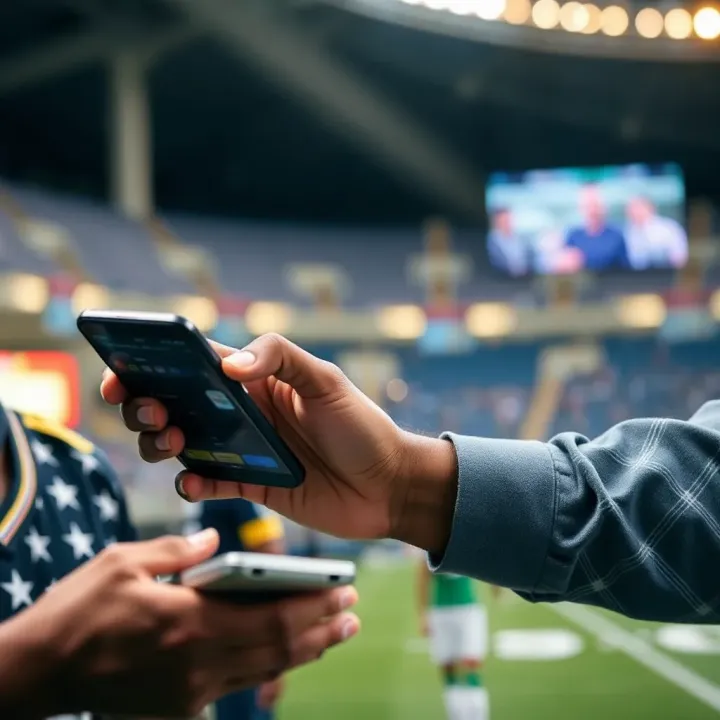
🎯 Get started with SportyBet in Nigeria! Learn how to create your account, verify details, fund with ₦, and enjoy betting on all your favourite sports easily and securely.
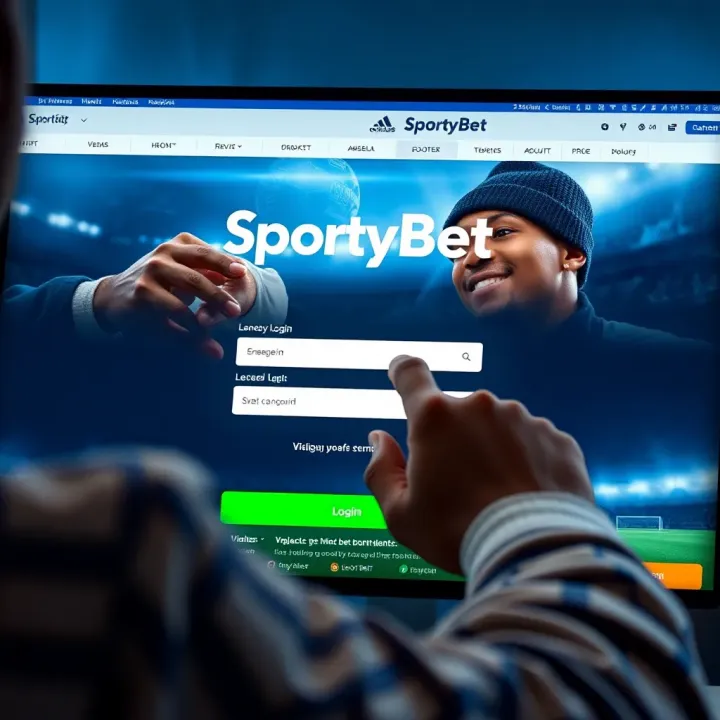
Learn how to login to SportyBet Nigeria effortlessly 🎯. Get step-by-step tips to create your account, secure it and fix login issues fast 👌. Bet smart, win big!
Based on 6 reviews