
Navigating wwwsportybet.com and Nigeria's Old SportyBet Mobile Shop
Get to know how to navigate wwwsportybet.com and the old mobile SportyBet shop in Nigeria 📱⚽. Learn registration, betting tips, and stay safe with reliable sportsbook info.
Edited By
Ikechukwu Maduka
Before the digital age finally took hold, the old mobile SportyBet shop was a familiar sight across many Nigerian towns and cities. Unlike today’s easy-to-navigate apps and websites, players used simple feature phones to place bets through SMS or USSD codes. This setup shaped how Nigerians approached sports betting for years, long before the smartphone boom.
The SportyBet shop experience was quite different from what most people imagine when they think of online betting today. Shops were often mobile kiosks or small roadside units run by agents who managed the betting transactions. Because internet access was limited and costly for many, this system offered a practical solution to make sports betting accessible.
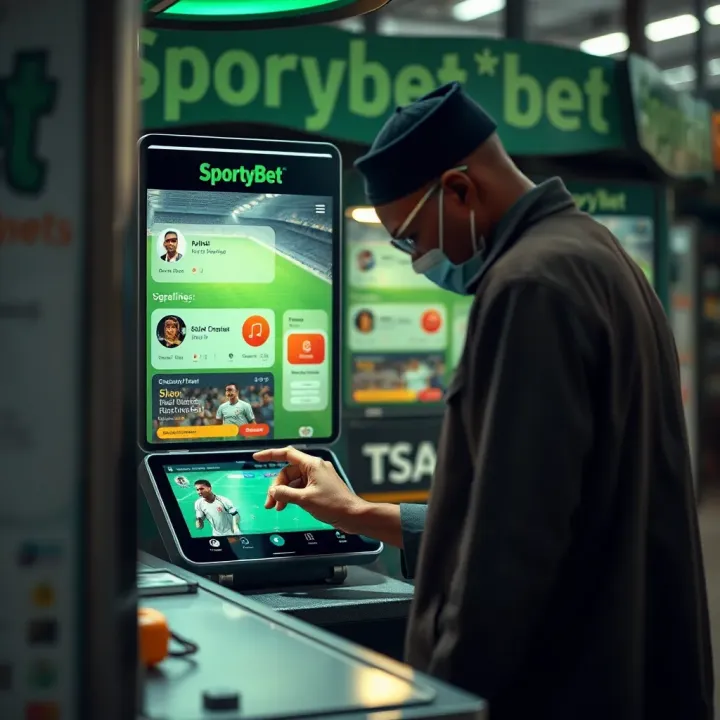
Users engaged through sending specific codes from their phone to SportyBet’s servers. For example, picking a football match, entering the betting type, and staking an amount like ₦500 or ₦1,000 required memorising command sequences or keeping printed guides handy. This required some patience and familiarity, but it was the norm.
The old system was a perfect match for Nigerians who had feature phones but lacked smartphones or stable internet, offering simple and reliable access to sports betting.
Challenges were common though. Many shops faced network downtime or SMS delivery failures. There was also the ever-present risk of agent error or unfair practices since the process was largely manual. Handling cash physically in shops added security risks as well.
Over time, as smartphone penetration improved, SportyBet and similar platforms shifted focus toward app-based and mobile web experiences. These allow direct, instant bet placements without relying on intermediaries. But knowing how the old mobile shop worked gives insight into how Nigerian sports bettors adapted technology to their local realities.
This background also explains why some older users still prefer combination approaches, relying on agents or physical shops alongside digital apps. Such habits show how deeply embedded mobile technology has become while reflecting unique market conditions in Nigeria.
Understanding this transition helps anyone interested in Nigeria’s betting scene grasp the evolution from simple SMS commands to today’s interactive, data-rich platforms driving the market.
Understanding the roots of SportyBet's mobile betting shops in Nigeria offers a window into how sports betting evolved from physical hubs to today's digital platforms. These shops played a significant role in making betting accessible to many Nigerians, especially those who didn't have personal internet access. By knowing how they started and operated, you can appreciate the shift in betting culture and the practical challenges the old system faced.
SportyBet entered the Nigerian market at a time when football was already deeply woven into the country’s social fabric. Early adopters, mostly young men and students, gravitated to mobile betting shops located in busy neighbourhoods. These bettors enjoyed the convenience of places close to markets or transport hubs. Unlike online platforms today, they relied on face-to-face interactions to place bets, making social interaction a big part of the experience.
This early acceptance was practical and relevant because it allowed many without smartphones or reliable internet—especially those in the informal sector—to participate in sports betting. For example, a market trader in Oshodi could walk a few steps to a local SportyBet shop after business to place a bet using cash.
As mobile phones and internet access expanded in Nigeria, so did the appetite for sports betting. SportyBet capitalised on this by setting up more mobile shops across urban and semi-urban centres. This network eventually became a familiar routine for many Nigerians during match days, since betting was a social and leisure activity.
The growth also sparked competition among betting companies, prompting improved services and wider sports markets. It created job opportunities as agents staffed these shops, contributing to local economies. However, this expansion was constrained by poor infrastructure, such as erratic power supply, which sometimes disrupted activities.
Mobile shops were typically set up in easily accessible spots like markets, bus stops, or near bars and mamaput eateries. The choice of locations was strategic—convenient for foot traffic and clients often passing through on daily errands or work commutes.
For instance, a location around Yaba or Alaba International Market in Lagos attracted traders who’d place bets during business breaks. This physical presence gave a sense of trust and familiarity, appealing especially to users wary of purely online transactions back then.
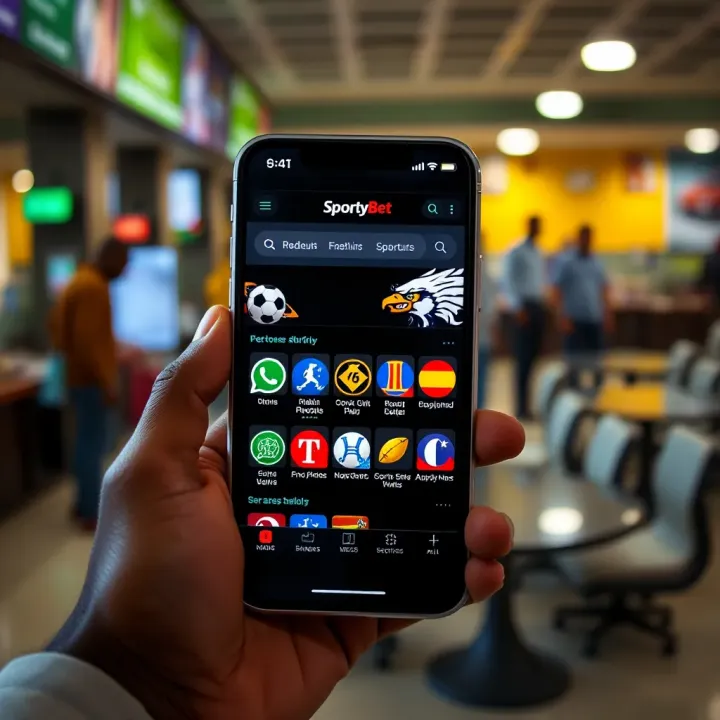
Within these shops, agents handled everything from receiving bets to paying out winnings, all with cash. The process was straightforward but sometimes slow, especially on busy match days. Bettors would select games, tell agents their stakes, and get printed tickets manually handled by the agent.
This interaction required trust. Agents were responsible for keeping accurate records and funds, which meant users had to build personal relationships with them. Occasionally, mistrust arose due to delays or disputes. But the cash-based system ensured immediate liquidity, crucial where bank transfers weren't always reliable.
Football dominated the sports markets offered at these shops, with Nigerian leagues like the Nigeria Professional Football League (NPFL) and popular European leagues topping the list. Other sports like tennis, basketball, and even boxing were available but less popular.
The betting options ranged from straightforward outcomes to more complex bets like scorelines and goal counts. This variety made the betting shops attractive to a wide range of punters—from casual fans to more seasoned bettors looking for better odds on international fixtures.
Many Nigerians hold nostalgic memories of mobile SportyBet shops, which combined local social culture with the excitement of sports betting, even before smartphones redefined convenience.
This background sets the stage for understanding how Nigerians engaged with SportyBet’s services and the industry's eventual shift towards app-based platforms.
The old mobile SportyBet shops played a significant role in Nigeria's sports betting scene before online platforms became popular. Understanding this user experience sheds light on how betting evolved here and reveals the practical challenges punters faced daily. For many Nigerians, these shops were the main gateway to sports betting, especially in areas with limited internet access or where smartphones were scarce.
Before the digital age fully took over, bettors visited mobile SportyBet shops where agents helped them select their bets. Customers would verbally or in writing indicate the matches and odds they wanted. For example, a bettor interested in a Premier League match might tell the agent to place a ₦500 bet on their favourite team winning. This manual selection process meant bettors relied heavily on agents’ knowledge and accuracy.
All transactions were done in cash, which made betting accessible to those uncomfortable with online payments. Once payment was made, the agent issued a printed or handwritten betting ticket that served as proof. The challenge here was the manual handling of cash and tickets, which sometimes led to misplaced bets or disputes if a ticket was lost or damaged. For instance, customers attending busy shops or markets had to keep their tickets safe throughout the betting and payout processes.
The relationship between bettors and agents was crucial but not without hiccups. Miscommunication sometimes happened, especially when the shop was crowded or noisy. A bettor’s instructions might be misunderstood, leading to wrong bets being placed. This risk grew in areas where agents juggled multiple customers. Sometimes, language barriers or poor explanation of betting options made it harder for users to fully understand what they wagered on.
One common complaint was the time lag in receiving winnings. Because payments depended on the physical availability of cash at the shop, bettors often waited hours or even days to get their money. For example, during peak football seasons, mobile shop agents sometimes ran out of cash due to many winners, forcing customers to return another day.
Old mobile shops mostly offered simple bets on popular games like local league football or international matches. This limited variety meant bettors could not explore complex bets such as accumulators, live betting, or niche sports. A punter looking for more exciting options had to either accept fewer choices or visit multiple shops, which was inconvenient.
Since transactions involved physical cash and manual ticket issuance, concerns about fraud and stolen tickets were common. Some agents were dishonest, either withholding winnings or misplacing betting slips. Trust between bettor and agent was vital; once broken, users often moved away from that shop. Moreover, bettors sometimes worried about exposing their bets in public places, especially large markets where privacy was almost nonexistent.
The old mobile SportyBet setup reflected both accessibility and challenges, highlighting why the shift to digital platforms eventually gained strong momentum among Nigerian bettors.
Overall, these experiences shaped how Nigerians approached sports betting and set the stage for the technological leap that SportyBet's online platforms represent today.
The shift from traditional SportyBet mobile shops to modern digital platforms marks a big change in how Nigerians place their bets. This transition isn’t just about moving from a physical location to an app; it reshapes convenience, security, and the entire betting experience. People who once queued at mobile shops can now wager from anywhere using their smartphones, which has made betting far more accessible across the country.
The introduction of SportyBet’s smartphone applications and web platforms opened new doors for users across Nigeria. With smartphones becoming more affordable and internet penetration rising, these apps gave users instant access to betting markets without visiting physical shops. For instance, a market trader in Lagos can now place a bet during his break on his phone instead of closing his little business to meet an agent at a mobile shop.
Beyond mere convenience, apps provide real-time updates and notifications about games and results. This immediacy was tough to achieve in the old system, where delays and miscommunications were common due to dependence on agents relaying information by phone or in person.
The practical advantages of these platforms over physical shops are clear. Users avoid cash handling risks since transactions go through secure online payment systems like Paystack or Flutterwave. Also, the range of betting options increased significantly. Players can now bet on live matches, multiple sports, and special markets not always available at mobile shops. This breadth of choice keeps the betting experience fresh and engaging.
The National Lottery Regulatory Commission (NLRC) plays a vital role in overseeing operators like SportyBet. Their role centres on ensuring that betting companies comply with regulations designed to protect consumers and maintain industry integrity. Before such regulatory oversight, some mobile shops operated without clear licences, which exposed players to fraud and unfair practices.
With NLRC’s involvement, licensed platforms must adhere to strict operational guidelines. These include transparent rules, verified player accounts using BVN (Bank Verification Number), and timely payment of winnings. For example, users now enjoy quicker and more reliable payouts than what was common with old mobile shops, where delays and disputes could last days or weeks.
Alongside licensing, compliance measures protect users against fraud. Modern SportyBet platforms incorporate user protection tools such as two-factor authentication and secure encryption for transactions. These safeguards reduce risks that bettors once faced, from fake agents to tampered betting slips. Regular audits and reporting to the commission help maintain trust in the system.
Transitioning to licensed, app-based platforms offers Nigerian bettors greater control, trust, and choice—transforming betting from a risky errand into a manageable pastime.
Through this transformation, SportyBet keeps evolving to meet Nigerian users’ needs while fitting within regulatory frameworks designed to protect both the operator and customers. It’s more than tech upgrade; it’s a shift towards safer, faster, and more user-friendly betting for millions across Nigeria.
Navigating SportyBet today requires understanding the modern tools and safety measures that have replaced the old mobile shop experience. This section offers practical tips to help you benefit fully from SportyBet’s digital platforms, highlighting how to avoid common pitfalls and maximize your betting experience.
Setting up an account on SportyBet’s mobile app is straightforward but demands attention to detail for smooth operation. First, you need to download the official app from a trusted source—avoid third-party stores to reduce the risk of fake versions. Once installed, account setup involves providing your personal details and verifying your identity, typically through your Bank Verification Number (BVN). This verification step is crucial to comply with Nigeria’s regulatory framework and helps protect your funds and winnings.
Efficient use of the app also means mastering the deposit and withdrawal processes. SportyBet supports various payment methods common in Nigeria, such as bank transfers, USSD codes, and e-wallets like OPay and PalmPay. Depositing is usually instant, but withdrawals may take a few hours to a day, depending on your bank and amount. Knowing these options helps you plan your betting without delays or confusion.
Recognising legitimate platforms is critical amid the proliferation of fake betting sites. Always stick to SportyBet’s official app or website, and be wary of unsolicited links or promotions shared via SMS or social media. Verify URLs and ensure you are on a secure connection before entering your details.
To protect your account and funds, follow best practices for secure betting. Use strong, unique passwords and change them regularly. Avoid sharing your login information with anyone, even if they claim to be agents. Regularly monitor your account for any unusual activity. If you detect anything suspicious, report to SportyBet’s customer service immediately. Remember, proper caution can prevent losses due to fraud or phishing attempts.
Winning on SportyBet now depends not just on predicting results but also on how wisely you navigate the platform and protect yourself from scams.
By applying these tips, you can enjoy the convenience of modern sports betting without falling victim to common traps that haunted the old mobile shop days. Knowing how to efficiently use the app and stay safe puts you in control of your betting activities, aligning with Nigeria’s evolving digital landscape.
Get to know how to navigate wwwsportybet.com and the old mobile SportyBet shop in Nigeria 📱⚽. Learn registration, betting tips, and stay safe with reliable sportsbook info.
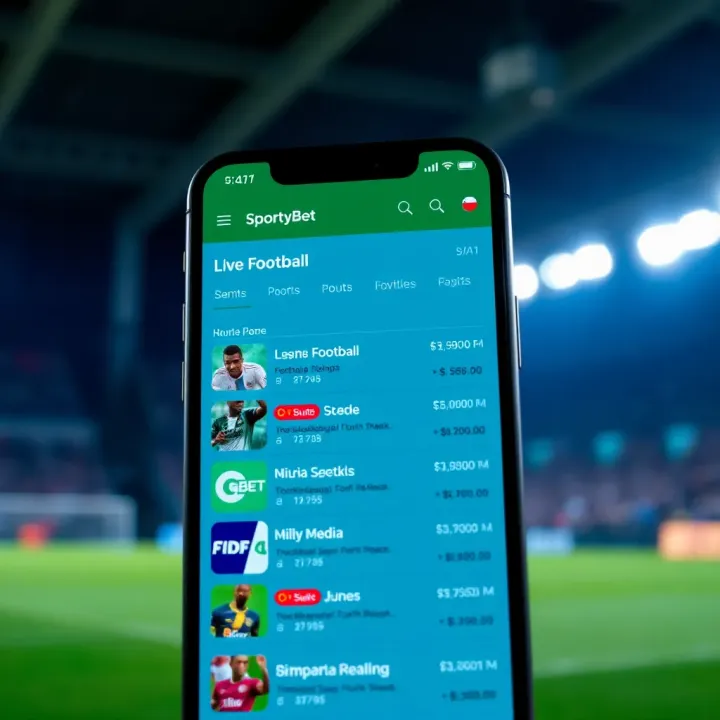
📱 Get all you need on SportyBet mobile app APK — from safe Android download, registration tips, live betting, football markets to easy payments in ₦. Bet smarter!
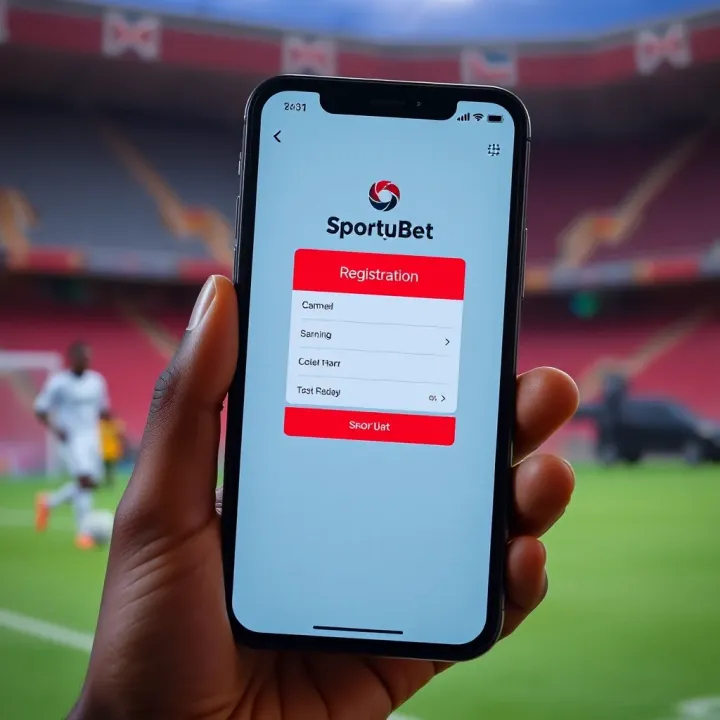
📲 Learn how to register and use SportyBet mobile in Nigeria, including deposit and withdrawal steps, plus tips to enjoy smooth betting on your phone anytime, anywhere.
📱 Discover Mobile Lite SportyBet – a smooth, data-friendly way for Nigerian bettors to play, manage accounts, deposit ₦, and bet safely wherever you are!
Based on 15 reviews