
Reliable Football Score Predictions Explained
Edited By
Uche Chikodi
Launch
Predicting football match scores is a challenge many Nigerian fans and bettors face daily. While the appeal of “100 sure correct score predictions” is strong, especially for those eager to make winning bets or simply settle office football debates, reality paints a different picture. Football is full of surprises, and no prediction method can guarantee absolute accuracy.
Before placing your trust in any score prediction, it's vital to understand the factors influencing match outcomes. These include team form, player availability, tactical styles, referee decisions, weather conditions, and even pitch quality. For instance, a Lagos team playing in heavy rain might underperform compared to a dry, firm pitch. Ignoring such variables can lead to misleading predictions.
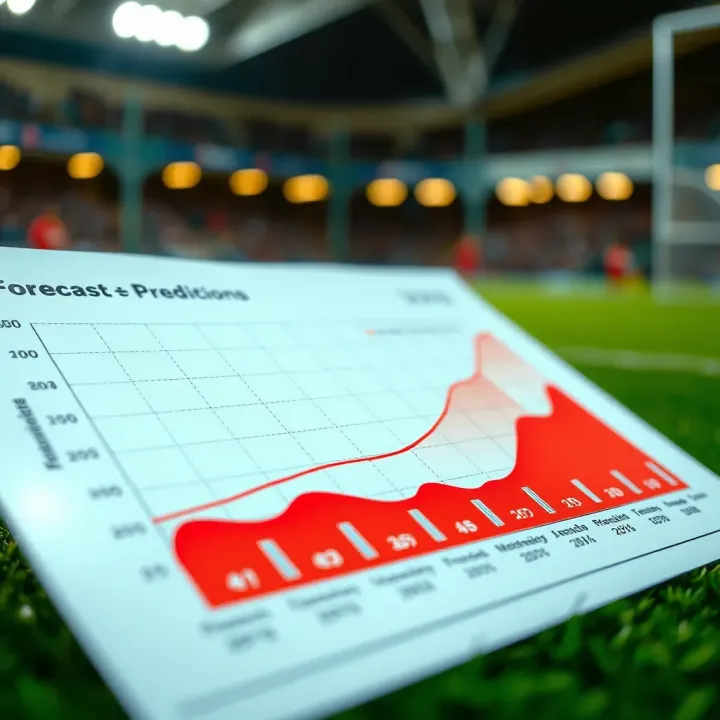
Moreover, several forecasting methods exist, but none offer foolproof results. Statistical models, machine learning algorithms, and expert opinions are popular tools used globally. However, for Nigerian fans, relying on local insights—such as the morale of players after a recent owambe celebration or the effect of ember months fatigue—can add practical colour to predictions.
No method can remove the inherent unpredictability of football, so always approach score predictions with cautious optimism.
Here are key points to guide your understanding of score predictions:
Statistical Analysis: Using past match data like goals scored/conceded, possession, and shots on target to estimate probable scores.
Form Assessment: Considering recent performances and injuries to determine team strength.
Contextual Factors: Accounting for home advantage, weather, or fixture congestion impacting performance.
Expert Commentary: Listening to seasoned analysts who understand team dynamics beyond numbers.
By blending these approaches, Nigerian fans can make informed predictions rather than chasing unrealistic guarantees. Remember, betting and football discussions should be about enjoyment and learning, not expecting certainty.
Most importantly, be wary of services promising '100% correct scores.' The football world proves time and again that unpredictability is part of its charm. Instead, focus on reliable data, critical thinking, and practical experience to sharpen your prediction skills over time.
Why Absolute Certainty in Score Prediction Is Unlikely
When Nigerian football fans and bettors look for score predictions online or through tipsters, many hope for guaranteed results they can trust. However, expecting absolute certainty in football score predictions overlooks several practical realities rooted in the nature of the sport itself. Understanding why no prediction can be 100% correct helps fans make smarter choices and avoid common pitfalls.
The Complex Nature of Football Results
Football is a game shaped by countless factors, many of which are unpredictable and interlinked. Injuries during a match, sudden tactical changes by coaches, or even unexpected weather conditions like heavy rain can drastically alter the flow and outcome. For instance, a key striker picked up a knock five minutes before kickoff might force the coach to reshuffle the lineup, affecting scoring chances and thus the final score.
Besides these on-the-day factors, human elements like player morale and crowd influence also weigh heavily. A lively home crowd in a stadium like Lagos’ Teslim Balogun can lift the home side’s performance unexpectedly. Meanwhile, referee decisions, often scrutinised and debated, can shape results through penalties or cards that disrupt momentum.
Football results are less a straight line and more a web of interacting and often unforeseeable factors.
These complexities mean that no model or expert call can take every variable into account with perfect accuracy. Even with vast data, the unpredictable nature of the sport makes exact scoreline forecasting inherently uncertain.
Common Misconceptions Around ‘Sure’ Predictions
One frequent mistake is to conflate high likelihood with certainty. For example, a tipster might confidently predict a 2-1 win because that scoreline occurred frequently in past meetings between two teams. While historical patterns are useful, they do not guarantee repetition, particularly when squads or circumstances change. Another misconception is believing that increasing the detail or number of stats always boosts prediction accuracy. Overfitting to data patterns may instead mislead if current conditions diverge from past trends.
Trusting claims of “100% correct” predictions often leads to disappointment, wasted bets, or worse, falling victim to scams. In reality, reliable score predictions are about probability and informed judgment, not absolute assurance. Nigerian bettors should approach such claims with scepticism and focus on balanced analysis, combining data, expert insight, and context.
By grasping why absolute certainty in score predictions is unlikely, fans avoid unrealistic expectations and better appreciate the unpredictable thrill that makes football wildly popular across Nigeria and beyond.
Key Factors That Influence Football Match Outcomes
Understanding football score predictions means first recognising the many elements that influence how a match unfolds. These factors are often the bedrock of any reliable prediction model and help explain why outcomes can be so unpredictable. Let’s consider three main factors: team form and player availability, tactical approaches and coaching influence, plus external conditions like venue and weather.
Team Form and Player Availability
Team form—how well a club has been performing recently—is one of the clearest indicators to consider. A side on a winning streak usually carries confidence and momentum that raise its chances of success. For example, if the Super Eagles just recorded back-to-back wins during the African Cup of Nations qualifiers, they enter their next game with an edge.
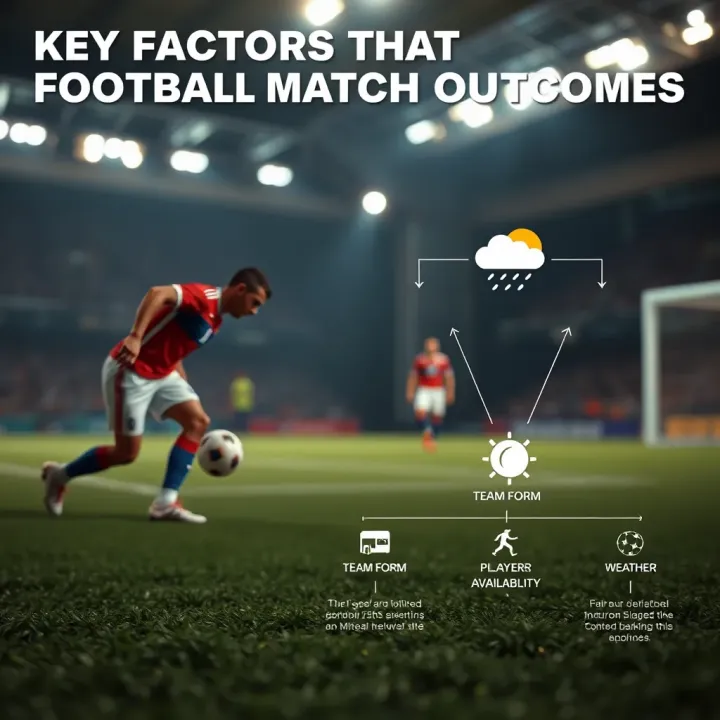
Player availability critically affects team dynamics. Injuries or suspensions to key players can weaken a team's offensive or defensive power. Imagine Ifte footballer Ahmed Musa misses a match due to injury; the team's scoring ability might reduce sharply, altering expected outcomes. Similarly, clubs struggling with multiple injuries in defence may concede more goals.
Tactical Approaches and Coaching Influence
Coaches design game plans based on their squad’s strengths and opposition weaknesses. Tactical flexibility can dictate whether a team plays aggressively or conservatively. For example, a coach like Gernot Rohr might focus on defensive solidity against stronger opponents but adopt attacking play at home.
Changing tactics mid-game or over a season reflects a coach’s influence on outcomes. Teams adept at adjusting strategies often enjoy better results. Conversely, a rigid approach may lead to predictable performances, allowing opponents to exploit weaknesses.
External Conditions Including Venue and Weather
The match environment matters heavily. Home advantage is a well-known factor: teams playing at their stadium often enjoy greater support from fans, less travel fatigue, and familiar pitch conditions.
Weather also plays a role. Heavy rain or extreme heat can slow the game's tempo or tire players faster, favouring physically resilient teams. For instance, a dusty pitch during a local league game in northern Nigeria might reduce technical passing accuracy, impacting scoring chances.
Reliable score predictions depend on how well these factors are understood and weighted together. Ignoring one can skew expectations and mislead bettors or fans relying on prediction tips.
Summary of Key Considerations:
Recent team form reflects momentum and confidence
Player availability influences team strength and strategies
Coaches’ tactical plans shape game style and adaptability
Venue and weather conditions affect player fitness and game rhythm
When you track these elements closely, you gain a clearer, more realistic picture of likely match outcomes. This approach serves Nigerian fans and punters well, especially where local league variables often shift unpredictably.
Methods Used for Predicting Football Scores
Predicting football scores requires more than guesswork; it demands a good understanding of multiple methods that can offer insights into likely results. For Nigerian fans and bettors aiming to make informed decisions, knowing how these methods work helps distinguish between reliable predictions and mere speculation. This section breaks down key approaches — from hard data to fan opinions — showing how they contribute differently to score forecasts.
Statistical Models and Data Analysis
Statistical models use numbers to spot patterns from past matches and calculate probabilities of future outcomes. These models rely on data points like goals scored, shots on target, possession percentages, and even player-specific statistics such as pass accuracy or tackles won. For instance, the Poisson distribution method estimates the likely number of goals a team might score, based on historical data. Nigerian betting sites and sports analysts often use such models to produce odds.
What’s practical here is that statistical analysis can handle large data sets and offer objective predictions. However, these models depend heavily on accurate and up-to-date data. For example, if a key striker gets injured and the data isn’t updated, the prediction may miss the mark. This emphasises the importance of combining data analysis with other methods.
Expert Opinions and Historical Patterns
Many football enthusiasts rely on insights from coaches, sports journalists, and former players who provide expert opinions. These experts consider factors beyond stats, like team morale, locker room issues, or tactical shifts. For example, Nigerian football pundits might note how a particular team struggles away from home or how a coaching change affects playing style.
Historical patterns also matter. Teams often have records against certain opponents or perform differently in specific tournaments. For instance, a team that has won 70% of home matches against another may be favoured in predictions. These aspects add a qualitative edge to forecasts, giving nuance where stats alone fall short.
Fan Sentiment and Popular Betting Trends
In today’s digital era, fan sentiment expressed on social media or forums can sway perceptions of match outcomes. Although this might sound less scientific, sometimes trends among supporters influence betting volumes and odds shifts on platforms like Bet9ja or NairaBet. For example, a surge in positive buzz about a player’s return from injury might increase bets on that team.
Popular betting trends can flag where the crowd is putting their money, which occasionally highlights insider information or widely anticipated outcomes. Yet, blindly following fan sentiment presents risks; crowds can be emotional or biased. Therefore, it’s better used as an auxiliary tool, not the main predictor.
Understanding these varied methods — statistical models, expert assessment, and fan sentiment — equips football fans with better tools to interpret predictions critically and avoid falling for unrealistic claims of '100% correct' scores.
Combining these techniques offers a rounded approach to predicting football scores. Nigerian fans who mix data-driven analysis with expert views and market sentiment stand a better chance of making smart bets without chasing fantasies.
Risks and Realities of Trusting ‘% Correct’ Score Predictions
When it comes to football score predictions boasting 100% accuracy, the risks often outweigh the rewards. Many Nigerian fans and bettors fall into the trap of trusting these claims without fully understanding their realities. It's essential to approach such guarantees with caution because no prediction model can account for the countless variables that influence a game’s outcome.
Scams and Unreliable Service Providers
One major pitfall in the football prediction space is the prevalence of scams. Some operators promise guaranteed winnings to lure customers but end up taking their money without delivering reliable insights. For example, certain websites or social media accounts in Nigeria boast of “sure bet” tips for ₦10,000 or more without any track record to back their claims. These services may use fabricated statistics or recycled tips to create a false sense of credibility. It’s not uncommon to hear stories where punters lose large sums after blindly trusting such guarantees.
To stay safe, always verify the source’s history and cross-check predictions with trusted platforms. Avoid services demanding upfront large payments or pressuring for immediate subscriptions. Remember, genuine prediction firms don't guarantee impossible outcomes — they provide data-driven insights with acknowledged uncertainty.
The Impact of Overconfidence on Betting Decisions
Overconfidence from believing in “100% correct” predictions can lead to reckless betting behaviour. When bettors think every tip is foolproof, they might stake more than they can afford, ignoring risk management principles. For instance, a young professional in Lagos who places all their monthly betting budget on a single “perfect” prediction risks losing big if the match defies expectations.
Besides financial loss, overconfidence may cause emotional distress and damage trust in responsible betting. Making decisions based solely on overhyped claims dismisses the unpredictable nature of football — injuries, refereeing errors, or sudden weather changes can all upend any forecast.
It's important to remember that football is inherently uncertain. Even meticulous analysis cannot guarantee outcomes.
Instead of relying solely on absolute guarantees, use predictions as one part of your decision-making process. Combine them with your knowledge of teams, current form, and external factors. Setting realistic expectations and adhering to a sensible staking plan will help you enjoy betting without falling into avoidable risks.
In summary, steer clear of dubious “100% correct” services and manage your betting confidence carefully. Doing so protects your funds and keeps the game fun for you.
Practical Tips for Nigerian Fans Using Score Predictions
Understanding how to use score predictions wisely can help Nigerian football fans and bettors avoid losses and make smarter choices. While no prediction is 100% accurate, following practical tips sharpens your judgment and helps you navigate the many prediction claims that float around, especially during major tournaments like the AFCON or the World Cup.
How to Evaluate Prediction Sources
Not all prediction providers are equal. Before trusting any source, check its track record over time rather than relying on one or two successful picks. For instance, a platform that accurately predicted scores for last season’s Nigeria Professional Football League (NPFL) matches is more trustworthy than some random social media post promising "sure win" predictions.
Also, evaluate whether the source explains their methodology. Reliable predictors will disclose if they use data, such as team statistics or player form, rather than vague claims. Be wary of services demanding upfront payments or making grand promises of guaranteed wins. Remember, no legitimate predictor claims absolute certainty.
Using Multiple Indicators to Inform Bets
Relying on just one type of prediction limits your insight. Combine several indicators before placing bets, such as:
Current team form and recent performance
Injuries or suspensions affecting key players
Historical results between the teams
Weather and pitch conditions in the match venue
Expert analysis from respected sports journalists
For example, if a predictor advises a 2-1 win for Enyimba against Kano Pillars but you notice Enyimba’s captain is sidelined due to injury, adjusting your expectations makes sense. Cross-referencing helps you avoid blindly following predictions that ignore important context.
Managing Risk and Setting Realistic Expectations
Betting on football should always come with a clear understanding of the risks. It’s wise to set a budget and never stake more than you can afford to lose. A good rule is to treat bets as entertainment rather than guaranteed income.
Additionally, be realistic about success rates. Even the best analysts do not get it right every time. Nigerian fans, especially those using platforms like Bet9ja or NairaBet, should expect some losses alongside wins. That said, disciplined betting combined with careful analysis can improve your chances of making modest profits over time.
Always remember, football is unpredictable. Use score predictions as one of your tools, not the entire decision basis. Stay informed, don't be swayed by hype, and manage your bets responsibly to enjoy football and improve your betting experience.
By following these tips, Nigerian fans can engage with score predictions meaningfully and avoid falling prey to unrealistic guarantees or scams common around high-profile football events.
FAQ
Based on 15 reviews